Motivation for the European Conquest of the New World Part 2
The Columbian Exchange
Overview
- Mercantilism, an economic theory that rejected free trade and promoted government regulation of the economy for the purpose of enhancing state power, defined the economic policy of European colonizing countries.
- Christopher Columbus introduced horses, sugar plants, and disease to the New World, while facilitating the introduction of New World commodities like sugar, tobacco, chocolate, and potatoes to the Old World.
- The process by which commodities, people, and diseases crossed the Atlantic is known as the Columbian Exchange.
Commerce in the New World
- Colonies rich in raw materials
- Cheap labor
- Colonial loyalty to the home government
- Control of the shipping trade
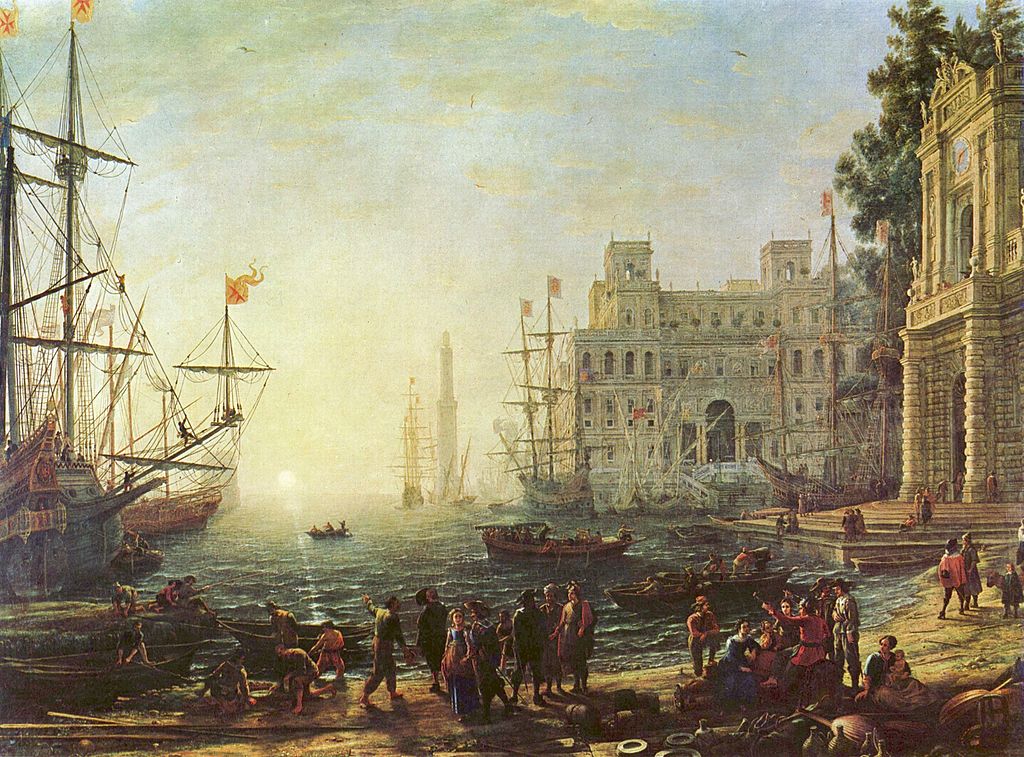
The Columbian Exchange: goods introduced by Europe, produced in New World
The Columbian Exchange: from the New World to the Old World
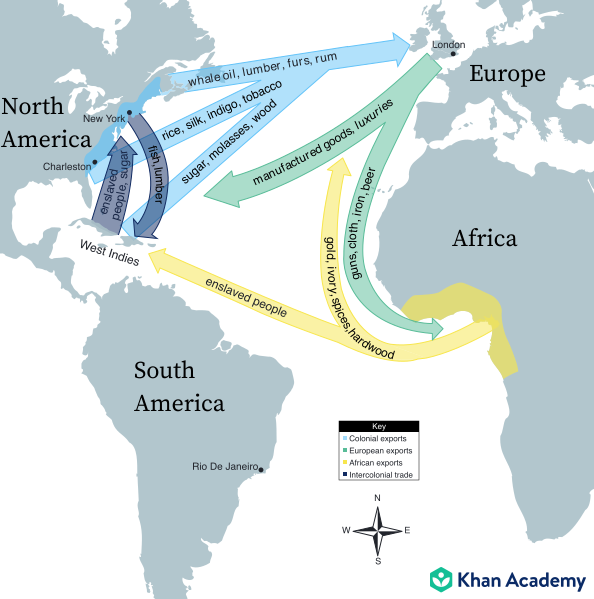
The Columbian Exchange: from the Old World to the New World
How did the Columbian Exchange shift cultural norms of Native Americans? Of European colonizers?Try to draw your own diagram of the Columbian Exchange on a world map.The Columbian Exchange, the widespread transfer of plants, animals, culture, human populations, technology, and ideas between the Americas and the Old World (Europe, Africa, and Asia) following Christopher Columbus's arrival in the Americas in 1492, had significant impacts on both sides of the Atlantic. Here's a look at some of the best and worst commodities introduced:
Best Commodity Introduced to the New World:
Horses: One of the most significant and beneficial introductions to the New World was the horse. Horses had become extinct in the Americas during the Pleistocene epoch, so their reintroduction by the Spanish conquistadors had a profound impact on Native American societies.
Maize (Corn): Maize was a staple crop in the Americas, providing a reliable food source for indigenous peoples. Its introduction to Europe and other parts of the Old World led to increased agricultural productivity and helped alleviate famine in some regions.
Potatoes: Potatoes became a crucial crop in Europe, especially in regions with poor soil conditions. They were nutritious, easy to grow, and provided a reliable food source that helped mitigate famines.
Worst Commodity Introduced to the New World:
Diseases: One of the most devastating aspects of the Columbian Exchange for the indigenous populations of the Americas was the introduction of Old World diseases. Diseases such as smallpox, measles, influenza, and others to which Native Americans had no immunity caused widespread epidemics that decimated entire communities.
Slavery: While not a physical commodity, the introduction of African slavery to the Americas had profound and devastating consequences. The Atlantic slave trade, which brought millions of Africans to the Americas as forced laborers, led to untold suffering, exploitation, and loss of life.
Livestock Diseases: Along with the horses, European livestock introduced diseases to which the Native American populations had no immunity. Diseases such as bovine diseases and others spread rapidly among indigenous animal populations, leading to ecological disruptions and loss of valuable resources.
Overall, while the Columbian Exchange brought about significant positive changes, such as the introduction of new crops, livestock, and cultural exchanges, it also resulted in the spread of deadly diseases and the exploitation of indigenous populations and African slaves, which had lasting negative impacts on the Americas.
The Columbian Exchange, the widespread transfer of plants, animals, culture, human populations, technology, and ideas between the Americas and the Old World (Europe, Africa, and Asia) following Christopher Columbus's arrival in the Americas in 1492, had significant impacts on both sides of the Atlantic. Here's a look at some of the best and worst commodities introduced:
Best Commodity Introduced to the New World:
Horses: One of the most significant and beneficial introductions to the New World was the horse. Horses had become extinct in the Americas during the Pleistocene epoch, so their reintroduction by the Spanish conquistadors had a profound impact on Native American societies.
Maize (Corn): Maize was a staple crop in the Americas, providing a reliable food source for indigenous peoples. Its introduction to Europe and other parts of the Old World led to increased agricultural productivity and helped alleviate famine in some regions.
Potatoes: Potatoes became a crucial crop in Europe, especially in regions with poor soil conditions. They were nutritious, easy to grow, and provided a reliable food source that helped mitigate famines.
Worst Commodity Introduced to the New World:
Diseases: One of the most devastating aspects of the Columbian Exchange for the indigenous populations of the Americas was the introduction of Old World diseases. Diseases such as smallpox, measles, influenza, and others to which Native Americans had no immunity caused widespread epidemics that decimated entire communities.
Slavery: While not a physical commodity, the introduction of African slavery to the Americas had profound and devastating consequences. The Atlantic slave trade, which brought millions of Africans to the Americas as forced laborers, led to untold suffering, exploitation, and loss of life.
Livestock Diseases: Along with the horses, European livestock introduced diseases to which the Native American populations had no immunity. Diseases such as bovine diseases and others spread rapidly among indigenous animal populations, leading to ecological disruptions and loss of valuable resources.
Overall, while the Columbian Exchange brought about significant positive changes, such as the introduction of new crops, livestock, and cultural exchanges, it also resulted in the spread of deadly diseases and the exploitation of indigenous populations and African slaves, which had lasting negative impacts on the Americas.
The Columbian Exchange, the transfer of plants, animals, culture, human populations, technology, and ideas between the Americas and the Old World following Christopher Columbus's arrival in the Americas in 1492, had profound effects on the cultural norms of both Native Americans and European colonizers. Here's a look at how it shifted their respective cultural norms:
Shifts in Cultural Norms of Native Americans:
Diet and Agriculture:
Introduction of New Crops: The Columbian Exchange introduced new crops to Native American diets, such as wheat, rice, sugarcane, and citrus fruits from Europe. These new foods altered traditional dietary patterns and agricultural practices.
Adoption of Livestock: Native Americans began to raise and herd European livestock such as cattle, pigs, and horses. This transformed hunting and gathering societies into more sedentary agricultural communities.
Technology and Tools:
Use of European Tools: Native Americans adopted European tools such as metal implements, firearms, and textiles. This changed their methods of hunting, farming, and manufacturing.
Introduction of Wheeled Vehicles: The horse, reintroduced by Europeans, had a significant impact on Native American societies, allowing for faster transportation and changes in warfare tactics.
Cultural Practices:
Interactions with European Religions: Some Native American groups incorporated elements of European religions, such as Christianity, into their traditional belief systems.
Changes in Social Structure: The introduction of European goods and technologies led to changes in traditional social structures. Those who could trade or adapt to new ways often gained more influence and power within their communities.
Economic Systems:
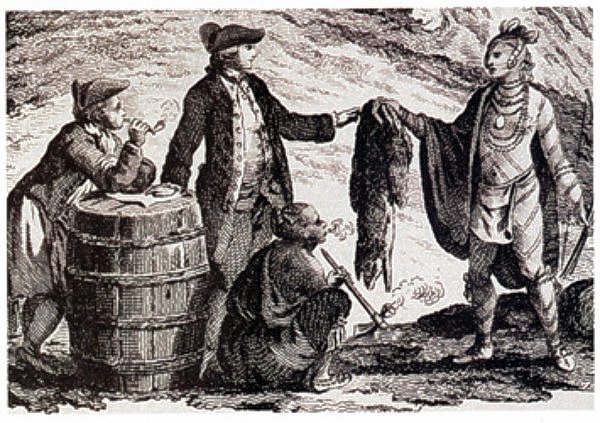
Shift to Market Economies: Native American societies began to engage in market economies, trading their traditional goods for European products.
Dependency on European Trade: The reliance on European trade goods and technologies altered traditional subsistence patterns and economic practices.
Shifts in Cultural Norms of European Colonizers:
Agriculture and Economy:
Introduction of New Crops: European colonizers brought staple crops such as maize, potatoes, tomatoes, and tobacco from the Americas. These crops became essential parts of European diets and economies.
Expansion of Plantation Systems: The availability of new crops led to the establishment of plantation systems in the Americas, especially for crops like sugarcane and tobacco. This shaped labor practices and economic structures.
Religion:
Spread of Christianity: European colonizers sought to spread Christianity to the indigenous populations of the Americas. Missionaries accompanied many expeditions, leading to the establishment of missions and churches.
Syncretism of Beliefs: In some cases, indigenous beliefs and practices were syncretized with Christianity, leading to new forms of religious expression.
Social Hierarchies:
Development of Racial Hierarchies: The encounters with diverse indigenous populations and the introduction of African slaves led to the development of racial hierarchies in European colonies.
Caste Systems: In places like Spanish colonies, caste systems based on racial and social categories were established, shaping social norms and interactions.
Legal Systems:
Encomienda System: The encomienda system, which granted land and indigenous labor to Spanish colonizers, became a dominant form of economic and social organization in Spanish colonies.
Introduction of European Law: European legal systems, including property rights and governance structures, were imposed on indigenous populations, often leading to conflicts over land and resources.
Overall, the Columbian Exchange reshaped the cultural norms of both Native Americans and European colonizers. It led to the adoption of new foods, technologies, and social practices, as well as the development of complex systems of trade, labor, and governance in the Americas. However, it also resulted in the loss of traditional ways of life, the imposition of European cultural values and institutions, and profound social and economic disruptions for indigenous populations.
Overview
- Colonization ruptured many ecosystems, bringing in new organisms while eliminating others.
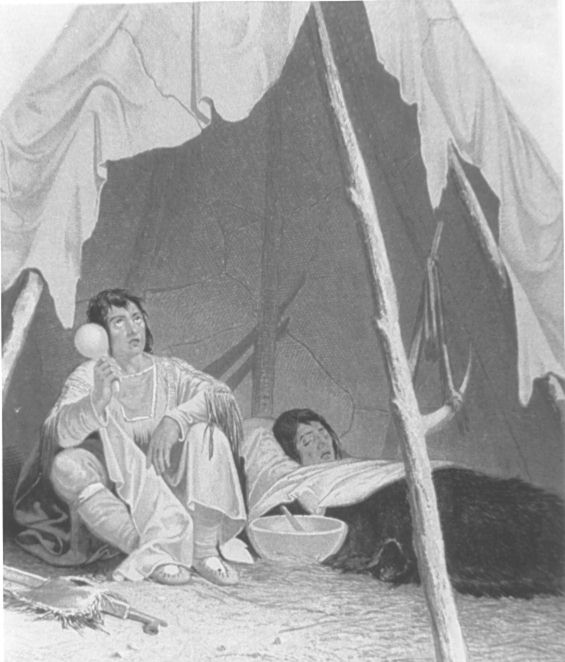
- The Europeans brought many diseases with them that decimated Native American populations.
- Colonists and Native Americans alike looked to new plants as possible medicinal resources.
Environmental changes
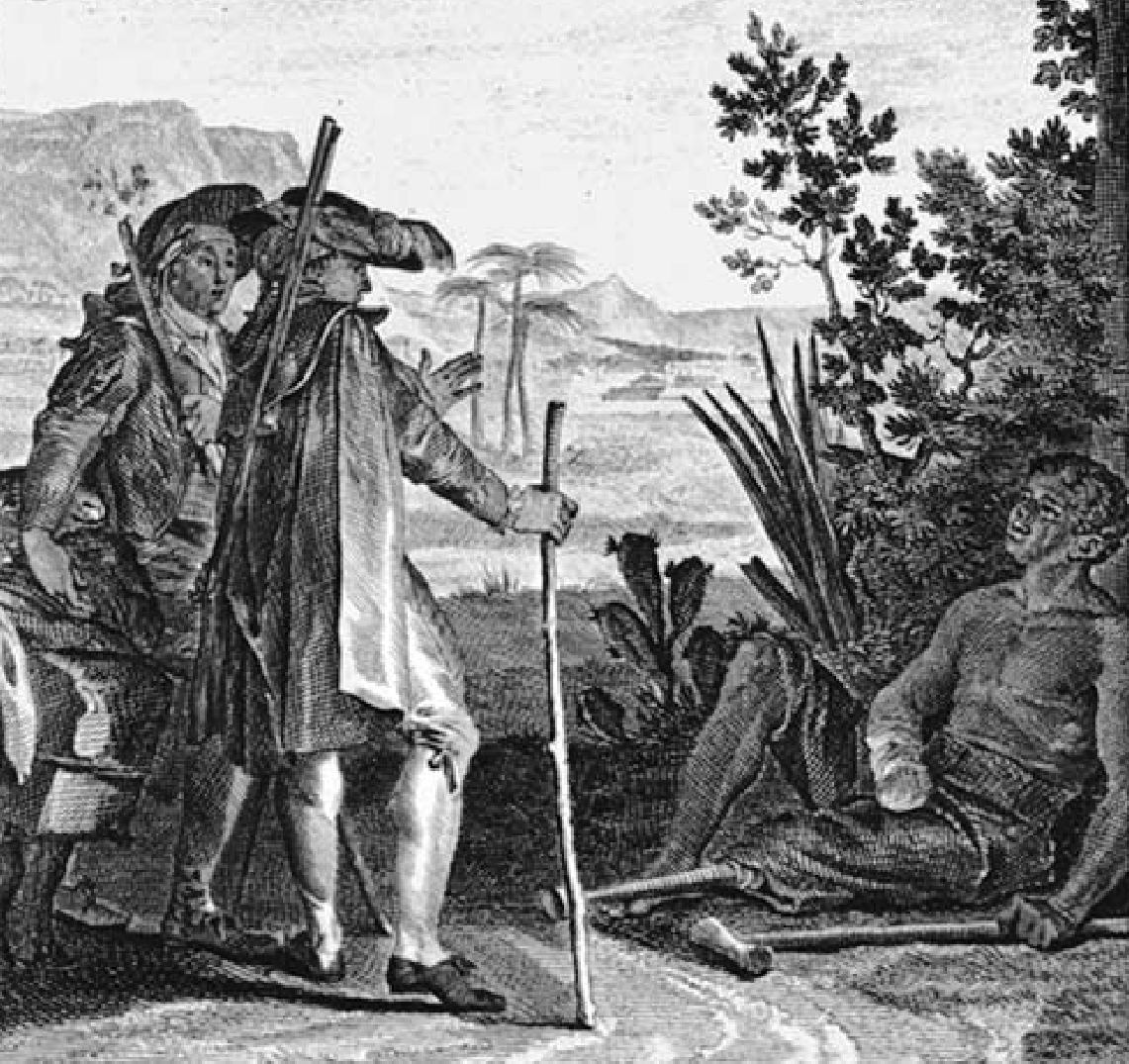
Introduction of disease
New plants make new medicines

What do you think?
How did the environment of the Americas suffer from European contact? How did it benefit?
European contact with the Americas had both detrimental and beneficial impacts on the environment of the region. Here's a look at how the environment suffered and benefited from European colonization and contact:
Negative Impacts on the Environment:
Deforestation:
- European colonizers cleared vast expanses of forests to make way for agriculture, particularly for crops such as sugarcane, tobacco, and cotton. This led to extensive deforestation, loss of biodiversity, and disruption of ecosystems.
Introduction of Invasive Species:
- Europeans brought with them plants, animals, and microorganisms that became invasive species in the Americas. These invasive species often outcompeted native species, leading to ecosystem imbalances and loss of biodiversity.
Soil Degradation:
- Intensive agricultural practices, such as monoculture farming and the use of heavy plows, contributed to soil erosion and degradation. This resulted in decreased soil fertility and long-term damage to agricultural lands.
Overhunting and Extinction:
- European settlers engaged in the widespread hunting of native wildlife for fur trade, food, and sport. This led to the decline and extinction of many species, such as the passenger pigeon and the Carolina parakeet.
Pollution:
- European mining activities, particularly for gold and silver, resulted in the release of toxic pollutants such as mercury and lead into waterways. This pollution has devastating effects on aquatic ecosystems and human health.
Positive Impacts on the Environment:
Introduction of New Crops:
- European colonizers introduced new crops to the Americas, such as wheat, rice, sugarcane, and citrus fruits. These crops became important staples in the diet of indigenous populations and helped diversify agricultural practices.
Livestock Grazing:
- The introduction of European livestock, such as cattle, pigs, and horses, had both positive and negative effects. While overgrazing led to environmental degradation in some areas, it also contributed to the creation of new grasslands and altered landscapes.
Hybridization of Crops:
- The Columbian Exchange facilitated the exchange of plant species between the Americas and Europe. This led to the hybridization of crops, resulting in new varieties that were more resilient and productive.
Infrastructure Development:
- European colonization brought infrastructure development such as roads, bridges, and irrigation systems. These developments improved transportation, water management, and agricultural productivity in some areas.
Knowledge Exchange:
- European contact with indigenous peoples also resulted in the exchange of knowledge about agriculture, medicinal plants, and sustainable land management practices. Some European settlers adopted these indigenous practices, leading to more sustainable use of the land.
Overall, the environment of the Americas suffered significantly from European contact, with widespread deforestation, loss of biodiversity, soil degradation, and pollution. However, there were also some beneficial impacts, such as the introduction of new crops, hybridization of plants, and the exchange of knowledge that contributed to the diversification and resilience of ecosystems in certain regions.
Did the markets in Europe influence the development of botany and agriculture in the New World? How so?
Yes, the markets in Europe played a significant role in influencing the development of botany and agriculture in the New World during the colonial period. European demand for specific crops and products led to the introduction of new plants and agricultural techniques to the Americas. Here's how the European markets influenced botany and agriculture in the New World:
Introduction of New Crops:
European markets had a strong demand for certain crops that were not native to the Americas, such as wheat, barley, rice, sugarcane, and citrus fruits. In order to meet this demand and capitalize on the lucrative European markets, European colonizers introduced these crops to the New World.
This introduction of new crops to the Americas was driven by the desire to establish profitable agricultural enterprises that could supply the European markets with the goods they desired. For example, sugar plantations were established in the Caribbean to meet the demand for sugar in Europe.
Adaptation and Hybridization:
- Once introduced, many of these crops underwent adaptation and hybridization in the New World to suit local growing conditions and preferences. This led to the development of new varieties of crops that were better suited to the climate and soil of the Americas.
Medicinal Plants:
- European markets also drove the exploration and collection of medicinal plants in the New World. The search for new sources of valuable medicinal plants, such as quinine, sarsaparilla, and ipecacuanha, influenced botanical exploration and the development of botanical knowledge in the Americas.
Exchange of Agricultural Knowledge:
- The demand for specific crops and products in European markets led to the exchange of agricultural knowledge between Europe and the Americas. European settlers learned from indigenous peoples about local cultivation practices, soil management, and crop varieties.
Introduction of New Techniques:
- European markets also influenced the adoption of new agricultural techniques in the New World. For example, European settlers introduced the use of plows, draft animals, and irrigation systems to increase agricultural productivity and meet the demands of the European markets.
Development of Plantations:
- The establishment of large-scale plantations in the Americas, particularly for crops like sugar, tobacco, and cotton, was directly driven by the demand in European markets. These plantations required extensive agricultural knowledge, labor systems, and infrastructure development to meet European demands.
In summary, the markets in Europe strongly influenced the development of botany and agriculture in the New World during the colonial period. The demand for specific crops and products led to the introduction of new plants, the adaptation and hybridization of existing crops, the exchange of agricultural knowledge, and the development of new agricultural techniques. This dynamic interaction between European markets and the agricultural practices of the New World shaped the landscape, economy, and agricultural history of the Americas.


Comments
Post a Comment