Part 2 Pueblo uprising of 1680
Pueblo uprising of 1680

Pueblo uprising in Santa Fe
Longterm effects of Native American resistance
What do you think?
The Spanish missionaries persecuted the Pueblo people and suppressed their religious customs primarily due to the clash between traditional Pueblo beliefs and the Catholic Church's teachings. This conflict was part of the larger effort of the Spanish colonial authorities to convert Native American populations to Christianity, specifically Catholicism. Several key factors contributed to the persecution and suppression:
Religious Differences: The Pueblo people had their own rich and diverse religious beliefs and practices long before the arrival of the Spanish missionaries. These beliefs often involved complex ceremonies, rituals, and spiritual connections to nature. When Spanish missionaries arrived in the region, they viewed these practices as pagan or heretical, conflicting with the teachings of Catholicism. The Catholic Church saw the Pueblo religion as idolatrous and sought to replace it with Christianity.
Conversion Efforts: Spanish missionaries, following the orders of the Spanish crown, aimed to convert the indigenous populations to Catholicism. They believed that the Pueblo people needed to abandon their traditional beliefs and practices to embrace Christianity. This led to efforts to suppress Pueblo religious ceremonies, destroy sacred objects, and replace indigenous rituals with Christian ones.
Control and Assimilation: The Spanish authorities also used religion as a tool for control and assimilation. By converting the Pueblo people to Christianity, they hoped to integrate them into Spanish colonial society and undermine any resistance to Spanish rule. The suppression of Pueblo religious practices was part of a larger strategy to exert control over the indigenous populations and enforce Spanish cultural norms.
Fear of Resistance: The Spanish were also wary of any religious practices or beliefs that might foster resistance to Spanish authority. Pueblo ceremonies and religious leaders held significant influence within their communities, and the Spanish feared that these could be used to incite rebellion against colonial rule. This fear led to the persecution and suppression of Pueblo religious customs in an attempt to quell any potential uprisings.
Overall, the persecution of the Pueblo people and the suppression of their religious customs were driven by a combination of religious differences, efforts to control and assimilate indigenous populations, and fears of resistance to Spanish authority. This dark chapter in history illustrates the complex and often violent interactions between European colonizers and Native American societies during the period of Spanish colonization in the Americas.
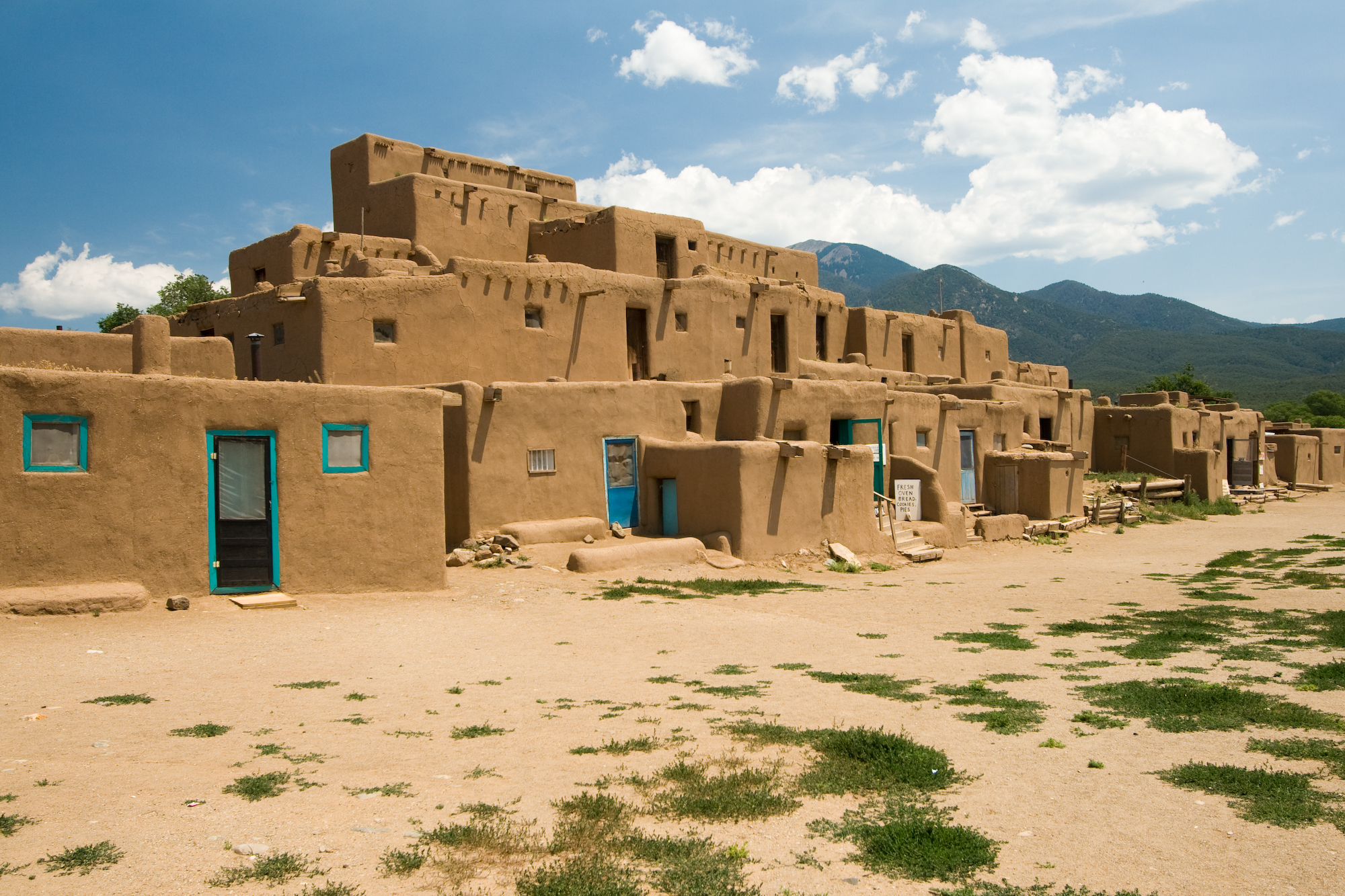
The Spanish efforts to suppress Pueblo culture were not entirely successful, as Pueblo traditions, beliefs, and cultural practices persisted despite the colonization and attempts at religious conversion. While the Spanish made significant efforts to impose Catholicism and suppress indigenous religions, the Pueblo people found ways to preserve and maintain their cultural heritage. Several factors contributed to the resilience of Pueblo culture:
Adaptation and Syncretism: Rather than completely abandoning their traditional beliefs, the Pueblo people often blended elements of Catholicism with their own religious practices. This process, known as syncretism, allowed them to outwardly conform to Catholicism while secretly maintaining their indigenous beliefs. For example, Pueblo ceremonies and rituals were sometimes adapted to incorporate Christian saints or symbols.
Hidden Practices: Many Pueblo religious ceremonies and rituals went underground, away from the watchful eyes of Spanish authorities. These practices were carried out in secret, often in remote locations, to avoid detection and persecution. This allowed the Pueblo people to continue their traditions without interference.
Remote Locations: The geography of the Pueblo settlements, often located in remote and inaccessible areas, provided a degree of protection from Spanish efforts to suppress their culture. The rugged terrain of the Southwest made it difficult for Spanish authorities to reach every village and monitor all activities.
Community Resistance: Pueblo communities banded together to resist Spanish attempts to eradicate their culture. They maintained strong social structures and cultural practices within their villages, passing down traditions from generation to generation.
Revitalization Efforts: In the face of colonial pressures, there were also efforts among the Pueblo people to revitalize and preserve their culture. This included the oral transmission of traditions, the continuation of ceremonial practices, and the maintenance of sacred sites.
Spanish Decline: Over time, the power and influence of the Spanish Empire began to wane. As Spanish authority weakened, the strict enforcement of religious conversion also diminished, allowing for greater freedom for indigenous practices.
While Spanish colonization undoubtedly had a profound impact on Pueblo culture, leading to changes and adaptations, it did not succeed in completely eradicating it. Instead, the Pueblo people demonstrated remarkable resilience, creativity, and determination to preserve their cultural identity despite centuries of colonial rule. Today, Pueblo culture continues to thrive, with traditions, ceremonies, languages, and beliefs passed down through generations.
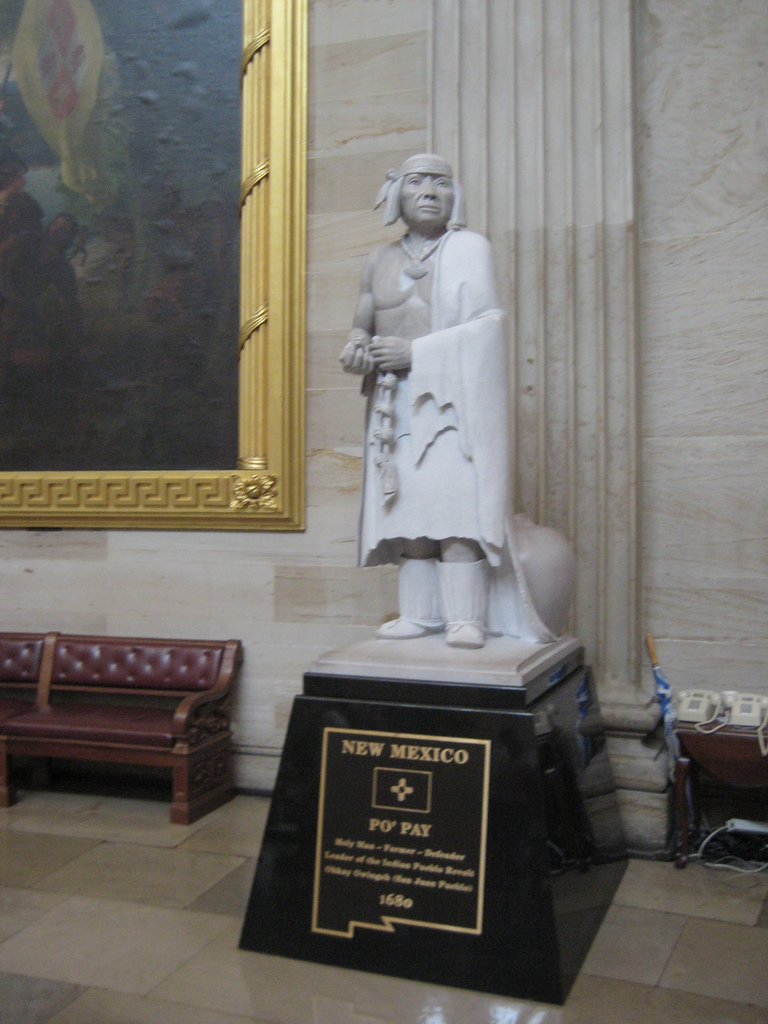
The Pueblo Revolt, also known as Pope's Rebellion, was a significant event that contributed to the formation of a new ethnic identity in the Southwest region of North America. The revolt, which took place in 1680, was a coordinated uprising by various Pueblo communities against Spanish colonial rule. It resulted in the expulsion of Spanish colonizers from the region for a period of about 12 years, marking a significant moment of resistance and self-determination for the Pueblo people.
Here are ways in which the Pueblo Revolt contributed to the formation of a new ethnic identity in the Southwest:
Unity and Solidarity: The Pueblo Revolt brought together various Pueblo communities that had previously been fragmented under Spanish rule. Different Pueblo villages and tribes, often with distinct languages and customs, united against a common oppressor. This shared experience of resistance fostered a sense of unity and solidarity among the Pueblo people.
Cultural Renewal and Pride: The revolt was not just a political and military event but also a cultural and spiritual awakening for the Pueblo people. It represented a reaffirmation of their traditional beliefs, practices, and way of life. The successful expulsion of the Spanish was seen as a triumph of their culture and a rejection of Spanish attempts to suppress their identity.
Revitalization of Indigenous Traditions: During the years of Spanish colonization, many aspects of Pueblo culture had been suppressed or driven underground. The revolt provided an opportunity for the revitalization of indigenous traditions. Pueblo ceremonies, rituals, languages, and customs were reaffirmed and celebrated openly, contributing to the preservation and strengthening of cultural identity.
Creation of a Shared History: The Pueblo Revolt created a shared historical experience for the Pueblo people. It became a central event in their collective memory, serving as a reminder of their ability to resist and overcome colonial oppression. This shared history helped to forge a new sense of identity based on shared struggle and resilience.
Legacy of Resistance: The Pueblo Revolt left a lasting legacy of resistance and autonomy among the Pueblo people. It inspired future generations to assert their rights and protect their lands, languages, and traditions. The memory of the revolt continues to shape the cultural and political landscape of the Southwest, reinforcing a distinct Pueblo identity rooted in history, resilience, and resistance.
Overall, the Pueblo Revolt was a watershed moment in the history of the Southwest, leading to the formation of a new ethnic identity among the Pueblo people. It fostered unity, cultural pride, and a renewed commitment to preserving their unique heritage in the face of colonial pressures. Today, the legacy of the revolt remains an important part of Pueblo's identity and serves as a reminder of their enduring strength and resilience.


Comments
Post a Comment