Part 1 Spanish colonization
Spanish colonization
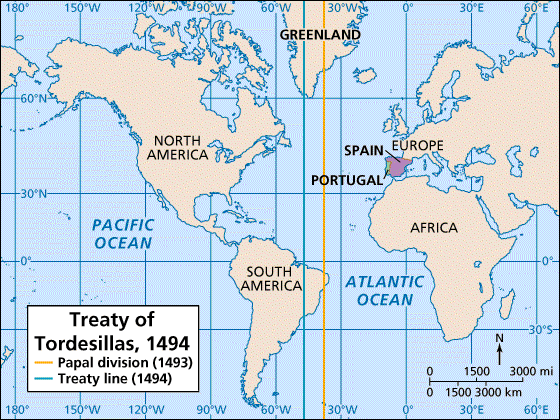
Treaty of Tordesillas
Conquistadores and Spanish colonization
The Spanish Golden Age

What do you think?
Native peoples played a significant role in shaping the course of Spanish conquest in the Americas. Their actions, alliances, resistance, and adaptations profoundly influenced the outcomes of interactions with Spanish conquistadors. Here are several ways in which Native peoples impacted the Spanish conquest:
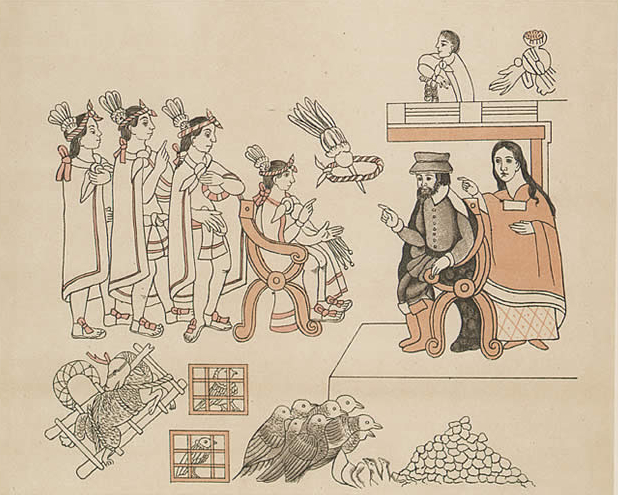
Alliances and Cooperation: Not all Native groups were unified against the Spanish invaders. Some indigenous peoples formed alliances with the Spanish, often for strategic reasons. These alliances provided the Spanish with crucial support in terms of manpower, supplies, and local knowledge. For example, the Tlaxcalans allied with Hernán Cortés during the conquest of the Aztec Empire, providing invaluable assistance in battles against the Aztecs.
Military Tactics and Strategies: Native peoples often adapted their military tactics and strategies to combat the Spanish. They utilized their knowledge of the local terrain to their advantage, employing guerrilla warfare tactics and ambushes. The use of these tactics made it difficult for the Spanish to maintain control over newly conquered territories.
Cultural and Religious Resistance: Native peoples resisted Spanish attempts to impose Christianity and eradicate their own religious beliefs. They often covertly maintained their traditional practices while outwardly conforming to Christianity. Additionally, the Spanish destruction of sacred sites and objects sparked fierce resistance among many indigenous groups.
Disease and Demographic Collapse: The introduction of European diseases, such as smallpox, measles, and influenza, caused devastating population declines among Native peoples. This demographic collapse weakened indigenous societies and made it easier for the Spanish to conquer and control vast territories.
Revolt and Rebellion: There were numerous instances of indigenous revolts and rebellions against Spanish rule. The Pueblo Revolt in 1680, as previously mentioned, is one prominent example where the Pueblo people successfully drove the Spanish out of their territory for a time. These revolts often forced the Spanish to reconsider their policies and tactics.
Cultural Adaptation and Syncretism: In some cases, Native peoples adopted aspects of Spanish culture and religion, often as a means of survival or to navigate the changing political landscape. This process of syncretism led to the blending of indigenous and Spanish elements in art, language, religion, and social practices.
Economic Influence: Native peoples controlled valuable resources, such as gold, silver, and agricultural products. The Spanish often relied on indigenous labor and resources to fuel their empire-building efforts. Native resistance or withdrawal of support could severely impact Spanish colonial endeavors.
Long-Term Consequences: Despite the initial successes of Spanish conquest, the ongoing resistance and resilience of Native peoples had long-term consequences. It led to the establishment of more nuanced and complex colonial systems, with the incorporation of indigenous practices and institutions into the colonial framework.
In summary, Native peoples were active agents in the course of Spanish conquest, shaping the outcomes through alliances, military strategies, cultural resistance, adaptation, and rebellions. Their actions and responses to Spanish colonization played a crucial role in the development of colonial societies in the Americas.
Many conquistadores failed to establish lasting colonies in the New World due to a variety of factors that contributed to their demise. While some were successful in conquering territories and amassing wealth, the challenges of colonization often proved insurmountable for many. Here are some reasons why many conquistadores failed to establish enduring colonies:
Limited Resources and Manpower: The conquistadores often lacked the resources and manpower needed to establish and maintain colonies in the vast and unfamiliar territories of the Americas. Many expeditions were launched with small groups of soldiers and adventurers, making it difficult to control and govern large regions.
Resistance from Indigenous Peoples: Native American populations fiercely resisted Spanish colonization efforts. They used guerrilla warfare tactics, employed knowledge of the terrain to their advantage, and formed alliances to oppose the Spanish invaders. This resistance made it challenging for the conquistadores to establish control over territories.
Geographical Challenges: The diverse landscapes of the Americas presented significant challenges to colonization efforts. Dense forests, rugged mountains, vast deserts, and unpredictable weather conditions made travel, communication, and resource management difficult for the conquistadores.
Disease and Health Issues: European diseases, such as smallpox, measles, and influenza, devastated indigenous populations. However, conquistadores were not immune to these diseases either. Many expeditions suffered from outbreaks of disease, leading to significant loss of life and weakening their ability to establish and maintain colonies.
Internal Conflicts and Competition: The conquistadores often faced internal conflicts and rivalries among themselves. Competing ambitions for power, wealth, and prestige led to divisions within expeditions, undermining their effectiveness and cohesion.
Lack of Support from Spain: Some conquistadores did not receive adequate support from the Spanish crown in terms of funding, supplies, or reinforcements. This lack of support made it difficult for them to sustain their expeditions and establish viable colonies.
Economic Challenges: Establishing and maintaining colonies required significant financial investment. Many conquistadores struggled to secure enough resources to support their expeditions, leading to financial ruin for some.
Cultural and Social Differences: The clash of cultures between the Spanish and indigenous peoples often led to misunderstandings, conflicts, and difficulties in governance. The conquistadores' attempts to impose Spanish customs, laws, and religions on indigenous populations often met with resistance and rebellion.
Environmental Factors: Unfamiliar environments and ecosystems posed challenges for the conquistadores. They had to adapt to new climates, agricultural practices, and natural hazards, which could be daunting and sometimes deadly.
Short-term Focus on Wealth: Many conquistadores were primarily focused on acquiring gold, silver, and other riches rather than establishing long-term sustainable colonies. This led to exploitation of resources without proper planning for the future.
Overall, the combination of factors such as resistance from indigenous peoples, geographical challenges, disease, internal conflicts, lack of support, and economic difficulties contributed to the failure of many conquistadores to establish lasting colonies in the New World. While some were successful in their conquests, the complexities of colonization often led to their downfall and the ultimate failure of their endeavors.
The Golden Age of Spain, which generally refers to the 16th and 17th centuries, was a period of great cultural, artistic, and literary flourishing in Spain. It was marked by a sense of national pride, religious fervor, exploration, and imperial expansion. Many of the ideals and values celebrated during the Golden Age were also reflected in the Spanish colonization project. Here are some ways in which they communicated similar ideals:
Religious Zeal: One of the defining characteristics of the Golden Age of Spain was its deep devotion to Catholicism. This religious fervor was also a driving force behind the Spanish colonization project. The Spanish monarchs, particularly Ferdinand and Isabella, saw the expansion of the Catholic faith as a central mission of their rule. This religious zeal was evident in both the colonization efforts and the cultural productions of the Golden Age, such as the works of writers like Miguel de Cervantes.
Quest for Glory and Prestige: The Golden Age was a time when Spain sought to assert itself as a major European power. This quest for glory and prestige was mirrored in the Spanish colonization project, where conquistadores and explorers sought riches, fame, and recognition for their achievements in the New World. The conquests of territories and the extraction of wealth were seen as ways to enhance Spain's status on the global stage.
Exploration and Expansion: The Golden Age saw Spain embark on ambitious explorations and colonial ventures, most notably the voyages of Christopher Columbus. This spirit of exploration and expansion was closely tied to the ideals of discovery, conquest, and the spread of Christianity. The Spanish colonization project was a direct result of Spain's desire to explore new lands, establish colonies, and expand its empire.
Cultural Superiority: During the Golden Age, Spain celebrated its cultural achievements and saw itself as a beacon of civilization. This sense of cultural superiority was also present in the Spanish colonization project, where the Spanish viewed indigenous cultures as inferior and in need of conversion and civilization. The imposition of Spanish language, customs, and religion on native populations reflected this belief in the superiority of Spanish culture.
The Role of the Crown: Both the Golden Age and the Spanish colonization project were heavily influenced by the power and authority of the Spanish crown. The monarchs played a central role in promoting exploration, funding expeditions, and overseeing colonial governance. The ideals of monarchy, loyalty to the crown, and royal patronage were prominent themes in both periods.
Artistic and Literary Expression: The Golden Age produced some of Spain's most celebrated works of art, literature, and theater. These cultural productions often celebrated themes of heroism, honor, and religious devotion. Similarly, the accounts of Spanish conquistadores and explorers, as well as colonial literature, often depicted themes of conquest, exploration, and the Christianization of indigenous peoples.
The Confluence of Cultures: Both the Golden Age and the Spanish colonization project involved a confluence of cultures. In the Golden Age, Spain was a melting pot of influences from Europe, Africa, and the Americas. Similarly, the colonization project brought together Spanish, indigenous, African, and other cultures in the New World, leading to the blending and exchange of traditions, languages, and customs.
In summary, the Golden Age of Spain and the Spanish colonization project communicated similar ideals of religious zeal, quest for glory and prestige, exploration and expansion, cultural superiority, the role of the crown, artistic and literary expression, and the confluence of cultures. Both periods were characterized by a sense of national identity, imperial ambition, and a desire to assert Spain's influence on the world stage.


Comments
Post a Comment